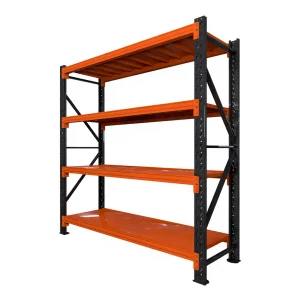
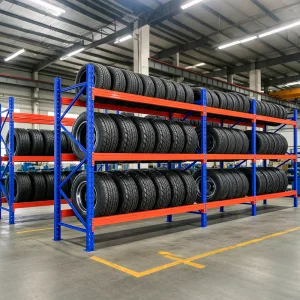
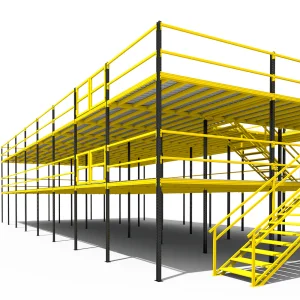
Precision-engineered racking systems designed for seamless integration with Autonomous Mobile Robots (AMRs), AGVs, and automated shuttle fleets.


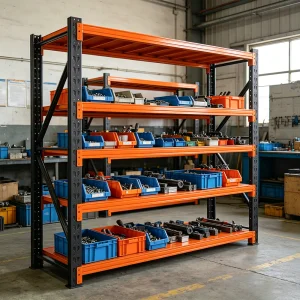
Analyzing the intersection of Autonomous Mobile Robots (AMRs) and high-tolerance industrial racking systems in the era of Supply Chain 4.0.
The global logistics landscape is undergoing a massive paradigm shift. Modern warehouses are no longer passive storage zones; they are dynamic, high-velocity distribution nodes powered by automation. The rapid adoption of Autonomous Mobile Robots (AMRs), Automated Guided Vehicles (AGVs), and Automated Storage and Retrieval Systems (ASRS) has transformed intralogistics efficiency. According to recent market reports, the global warehouse robotics market is projected to reach over $10 billion by 2028, growing at a CAGR of over 15%.
This robotics boom places unprecedented demand on physical warehouse infrastructure. Automated vehicles rely on lasers, cameras, and LiDAR systems for spatial navigation. Therefore, the racking systems, mezzanine floors, and steel platforms they interact with must meet structural tolerances far stricter than traditional manual warehouses. Deviations of just a few millimeters in rack alignment can lead to scanning errors, navigation failures, or mechanical hazards for robotic shuttles.
For procurement officers and logistics managers at global enterprises, sourcing warehouse equipment is no longer just about price per pallet position. The decision-making process now prioritizes compatibility with automation machinery, compliance with strict safety standards, and long-term durability. Key procurement requirements include:
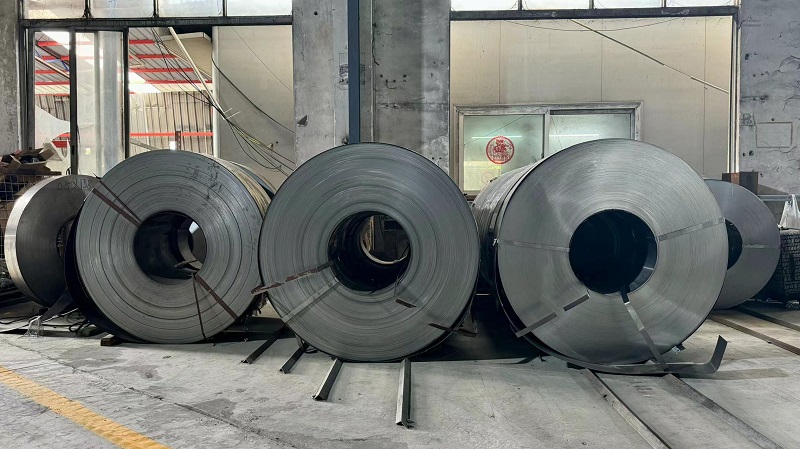
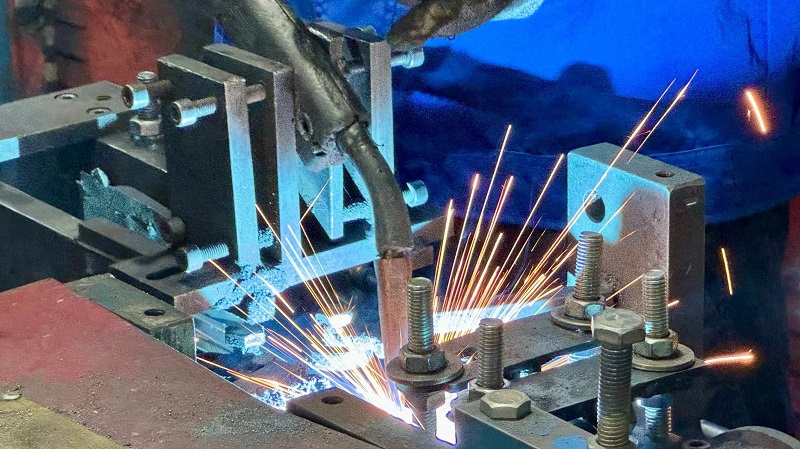
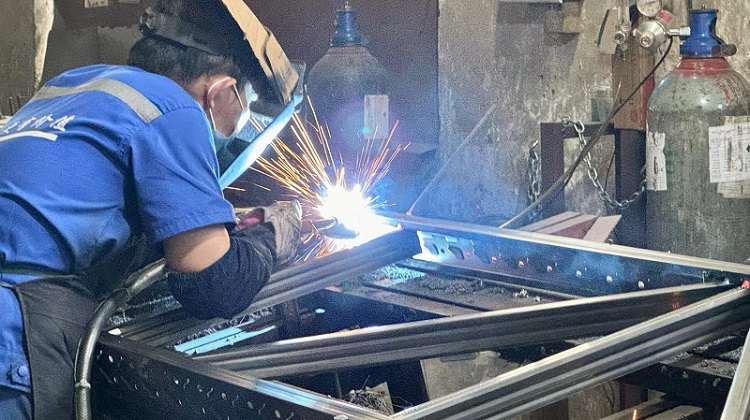
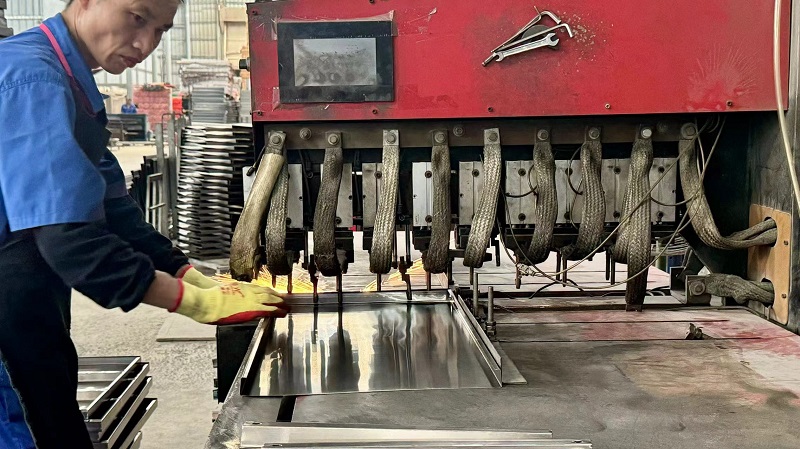
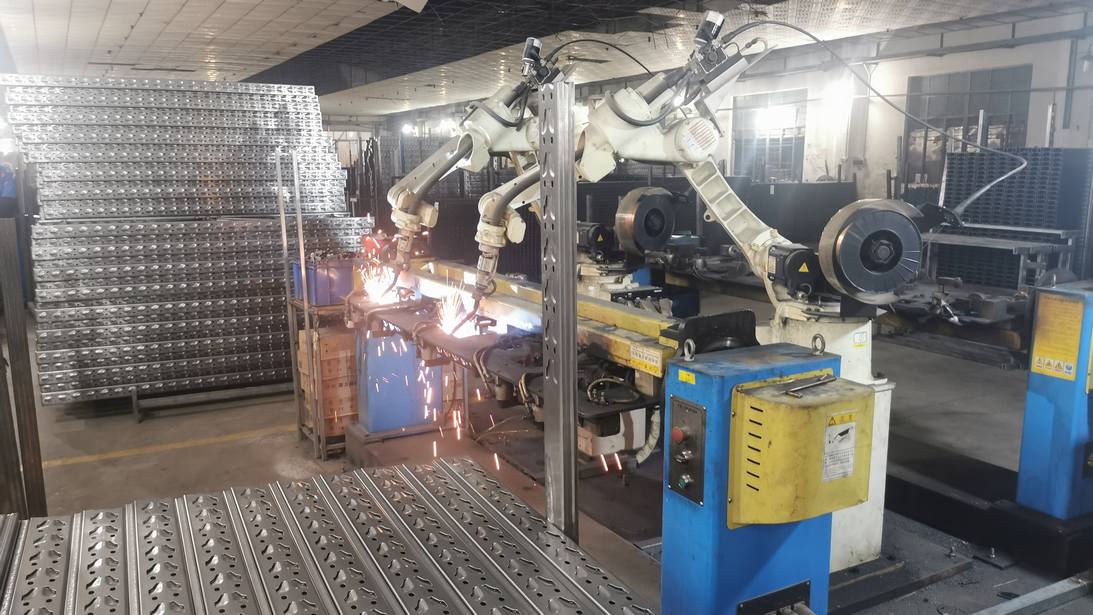
China has solidified its position as the primary hub for high-precision warehouse robotics and industrial steel manufacturing. Under the "Factory 4.0" initiative, leading Chinese manufacturers have integrated advanced automation into their own production lines. This includes high-precision laser cutting, automated robot welding cells, and continuous roll-forming systems. This ensures that every racking upright, beam, and shelf is fabricated to exact engineering specs.
Furthermore, China's robust steel supply chain offers incomparable resilience against market fluctuations. This allows manufacturers to secure premium Q235B and Q345B steel grades, offering customers cost-effective storage solutions without sacrificing structural integrity, safety, or compliance. The geographic density of raw materials, manufacturing facilities, and major shipping ports makes Chinese suppliers the most reliable partners for high-capacity warehouse builds.
Millimeter-level dimensional tolerance control ensures that automated guided vehicles (AGVs) and AMRs navigate smoothly without structural interface errors.
Advanced calculation methods optimized for seismic load resistance, protecting both automated inventories and physical warehouse structures globally.
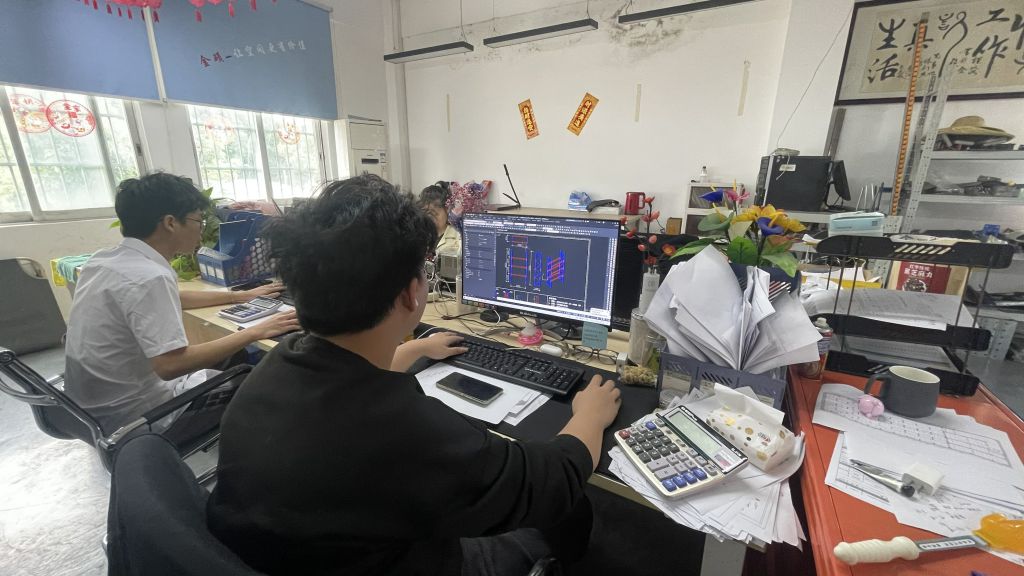
Tailor-made racking and mezzanine configurations developed by our internal design team of 18 engineers to match your warehouse layout.
An Industry Leader with 14+ Years of Structural Innovation and Global Logistics Racking Excellence.
Established in 2016, Shenzhen Kimsuk Storage Equipment Manufacturing Co., Ltd. specializes in the design, manufacturing, and global supply of high-grade warehouse storage equipment. With an expansive production facility spanning 18,500㎡, we cater to the complex logistical and storage requirements of warehouses, factories, logistics hubs, and automation centers across the globe.
Supported by 8 years of export operations, Kimsuk generates an annual export revenue of approximately $12 million, fueled by our extensive 14-year technical lineage in warehouse racking design. Our product suite includes heavy-duty pallet racks, cantilever racking systems, multi-tiered mezzanine structures, light-to-medium duty shelving, and custom-engineered industrial storage frameworks.
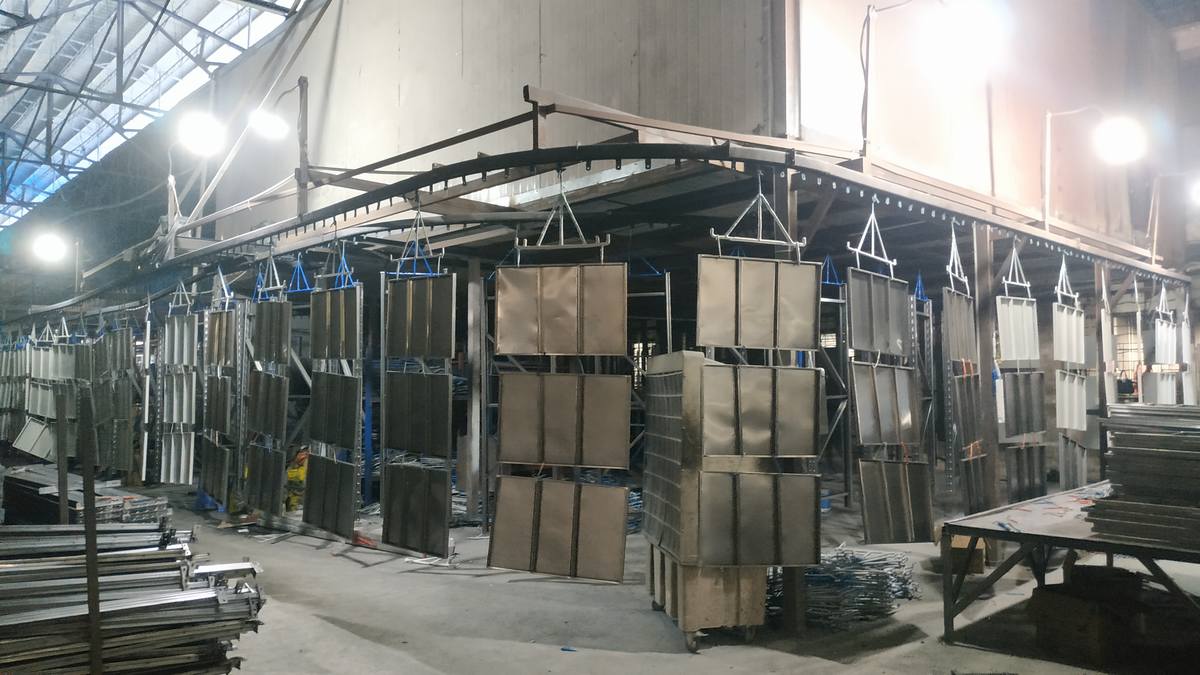
Quality assurance forms the backbone of our production ethos. We implement rigorous testing protocols spanning incoming raw materials, structural welding, epoxy powder surface treatment, dimensional precision checks, and load-bearing limits. Utilizing state-of-the-art testing equipment—such as digital laser measurement units, load testing machines, coating thickness meters, and digital calipers—our dedicated quality control department, comprising 45 professional inspectors, ensures that every output aligns with high international standards.
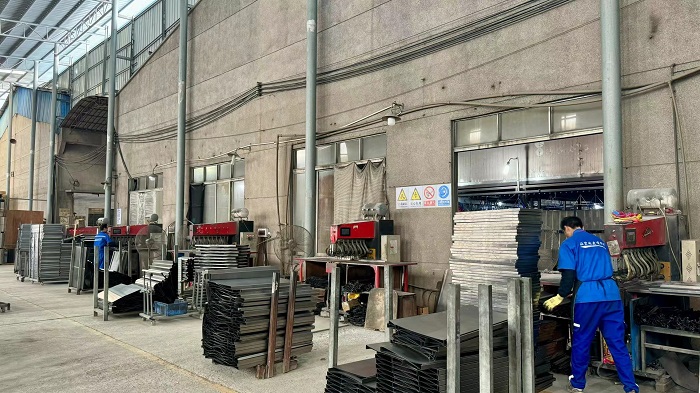
Take a look inside our state-of-the-art manufacturing plant, where premium raw materials are processed through computerized machinery to create heavy-duty storage systems.
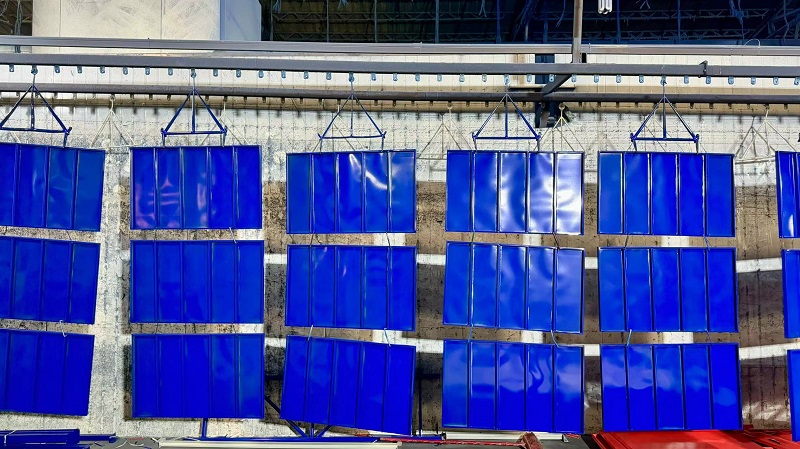
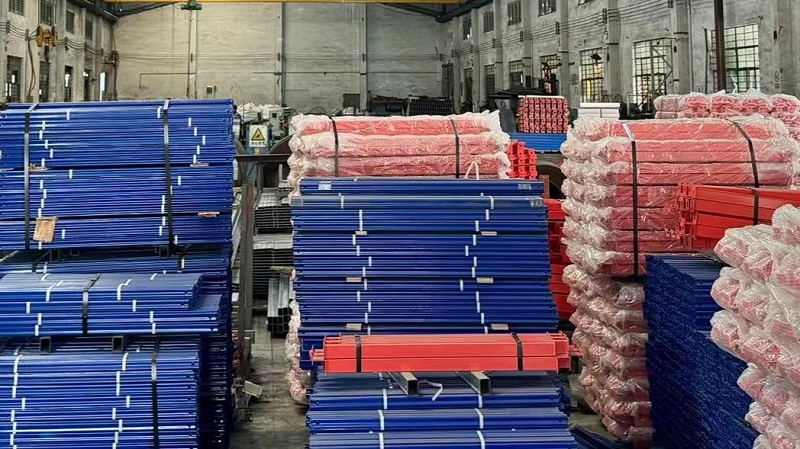
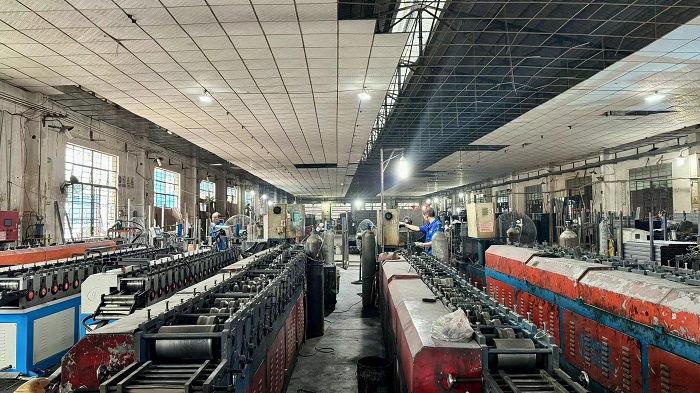
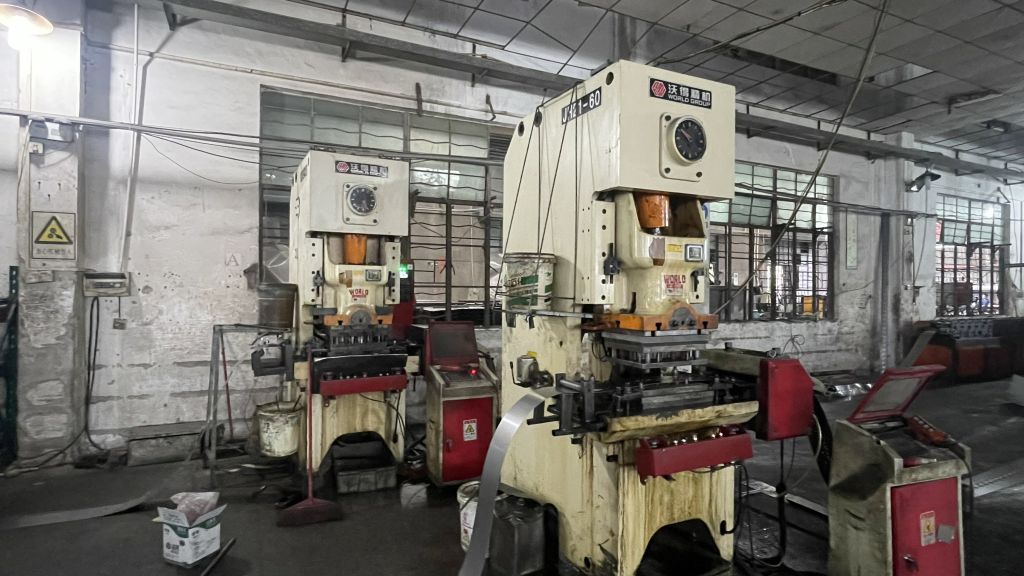
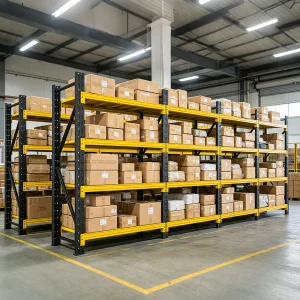
From e-commerce fulfillment hubs to heavy industrial plants, our systems are deployed in diverse operating conditions.
High-volume logistics centers depend on speed and accuracy. In these environments, Autonomous Mobile Robots (AMRs) work alongside human operators to retrieve goods. Kimsuk's custom structural steel platforms and mezzanines allow warehouses to double or triple their usable floor space. Our racking systems feature precise structural spacing, allowing picking robots to glide through aisles and access bin shelves with high vertical accuracy.
For industrial applications, such as automotive components or manufacturing parts warehouses, load capacity is crucial. Kimsuk's heavy-duty pallet shelving systems can hold up to 5 tons per level. Designed for durability and safety under heavy industrial loads, these structures are fully compatible with heavy-duty laser-guided forklift vehicles and automated stacker cranes (ASRS).
Cold storage facilities demand compact layouts to maximize cooling efficiency. Automated shuttle systems (Pallet Shuttles) navigate deep into the racking lanes to retrieve pallets. Kimsuk's cold-rolled steel racks are coated with specialized rust-inhibiting finishes, preventing material degradation in temperatures down to -30°C. This maintains structural safety in automated sub-zero warehouses.
Explore our complete industrial product range. Built with premium steel to meet the highest safety, stability, and loading capacity requirements.


Answering key questions on technical integration, load capacity compliance, and automated warehouse design.
 Kimsuk Storage