Engineered high-performance storage equipment designed to optimize volumetric efficiency and maximize structural load capacities.





In the contemporary industrial and logistics landscape, industrial space has evolved from a simple operational cost into a core strategic resource. Driven by the explosive growth of global e-commerce, localized supply chain distributions, and escalating urban land costs, modern industrial facilities are facing unprecedented capacity challenges. The traditional approach of horizontal expansion is no longer economically viable in major logistical hubs worldwide. Real estate acquisition costs, complex municipal zoning processes, and prolonged construction cycles have pushed warehouse operators, logistics service providers (3PLs), and manufacturers to look upward.
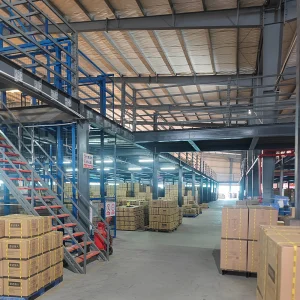
Industrial mezzanine floors represent the peak of volumetric optimization technology. By converting unused overhead space into functional work platforms, storage zones, or automated sorting systems, mezzanines effectively double or triple a facility's footprint without altering its physical foundation. Structurally designed to distribute heavy load capacities, industrial steel mezzanine floors are highly integrated engineered structures compliant with global construction codes (including IBC, OSHA, and Eurocode 3). This comprehensive industry report evaluates the leading global manufacturers and exporters of mezzanine floors, outlines the technical and structural roadmap of contemporary installations, and examines the macro trends steering the material handling industry.
SEO Intent Insight: According to global warehousing surveys, vertical volumetric optimization yields up to a 60% reduction in per-pallet storage overhead compared to physical facility expansion, while cutting down material retrieval cycles when paired with modern conveyor systems.
The application profile of mezzanine structures varies significantly across major regional markets, driven by localized supply chain patterns and regulatory environments:
North America (US & Canada): Focuses on heavy structural steel platforms with integrated safety gates, compliant with stringent International Building Code (IBC) and OSHA safety mandates. High-capacity mezzanines are commonly deployed in major retail distribution hubs to support complex conveyor systems and automated sorting equipment.
Europe (UK, Germany, France): Driven by cold-formed modular steel designs adhering to Eurocode 3 (EN 1993) standard regulations. Structural efficiency, sustainable manufacturing (recycled steel inputs), and lightweight designs that integrate with robotic picking fleets (AMRs) are key characteristics of this market.
Asia-Pacific (Southeast Asia, Australia, China): Serves as the global manufacturing core. In these markets, heavy-duty racking systems, multi-tier rack-supported mezzanines, and integrated material lifts are standard solutions. Rapid urban growth in APAC makes modular, relocatable mezzanine designs crucial for fast-growing logistics parks.
Evaluating the leading global suppliers in the mezzanine industry requires looking beyond raw production capacity. Leading manufacturers are defined by structural engineering expertise, precision automated manufacturing, regulatory compliance, and international logistical agility:
Premium manufacturers utilize certified structural steel grades (such as Q355B or ASTM equivalent) with precise tensile strength testing, ensuring long-term structural safety under seismic loading.
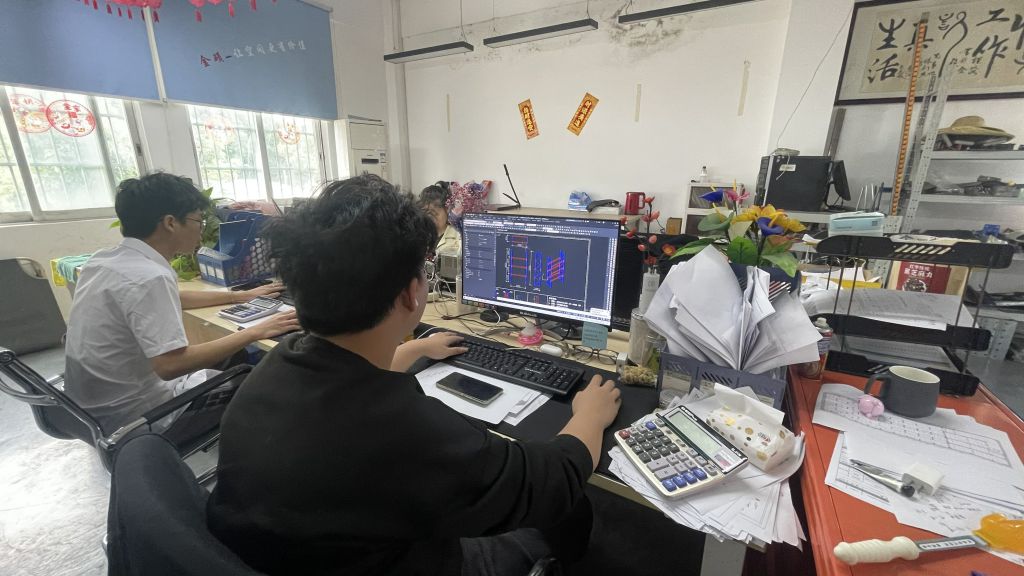
The capability to model custom space challenges using advanced CAD and BIM software. Custom column spacing, dynamic load ratings, and integration with automated storage systems are vital.
Adherence to international structural guidelines including CE certifications, ISO 9001 quality systems, AS4084 compliance, and local fire protection requirements.
Recognized global entities include brands like SSI SCHAEFER, MiTek Mezzanine Systems, Stow Group, Dexion, and regional manufacturers like **Shenzhen Kimsuk Storage Equipment Manufacturing Co., Ltd.**, which bridges top-tier engineering design and efficient export channels, supplying the European, North American, and Southeast Asian logistics corridors.
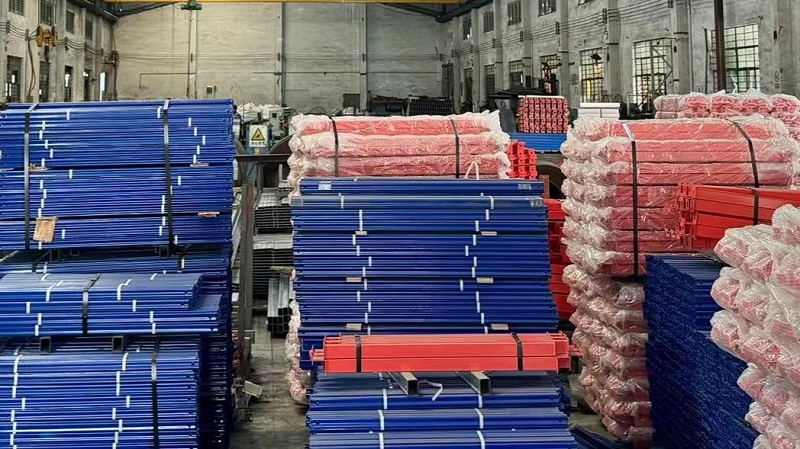
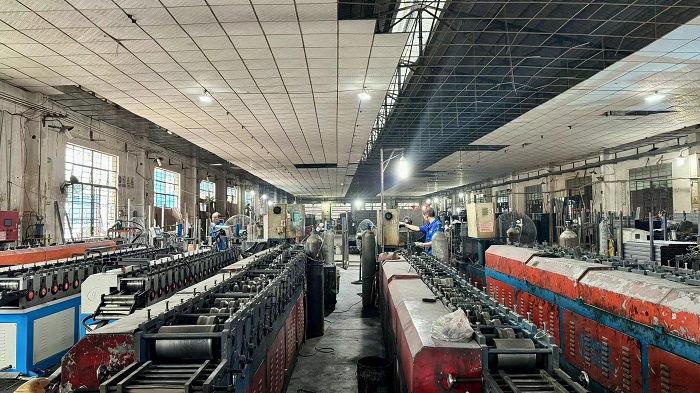
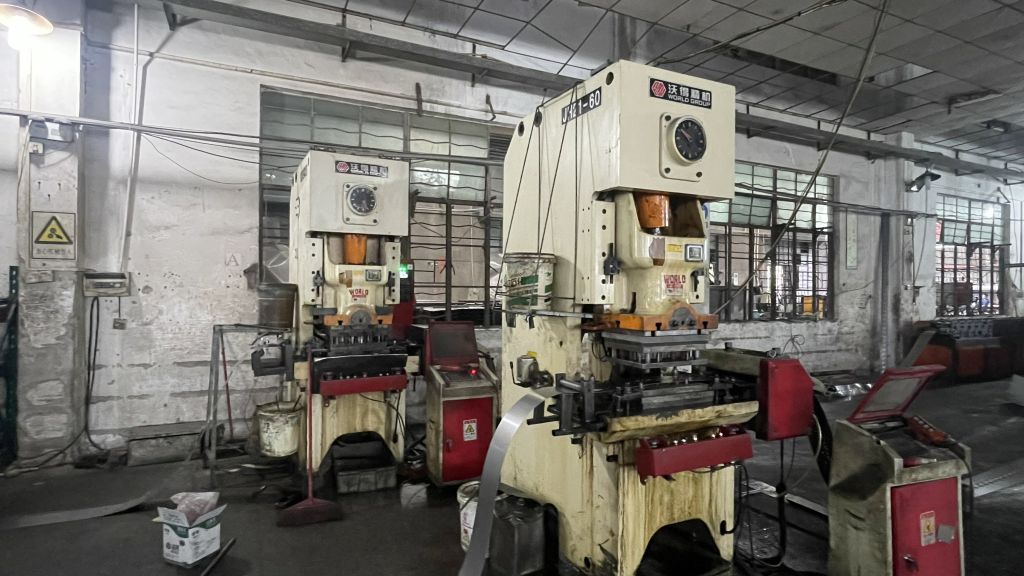
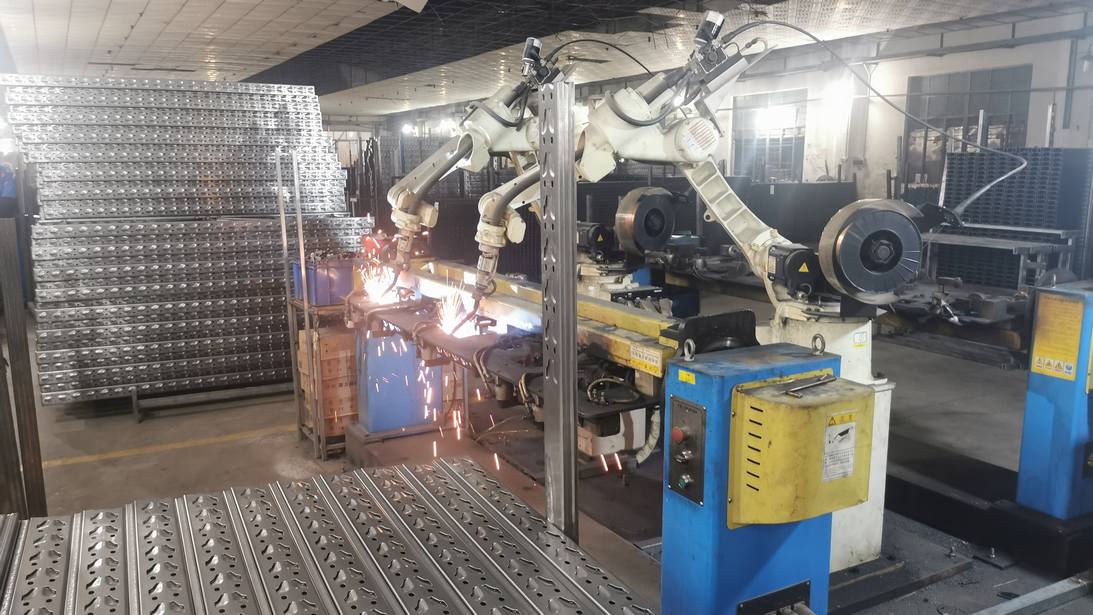
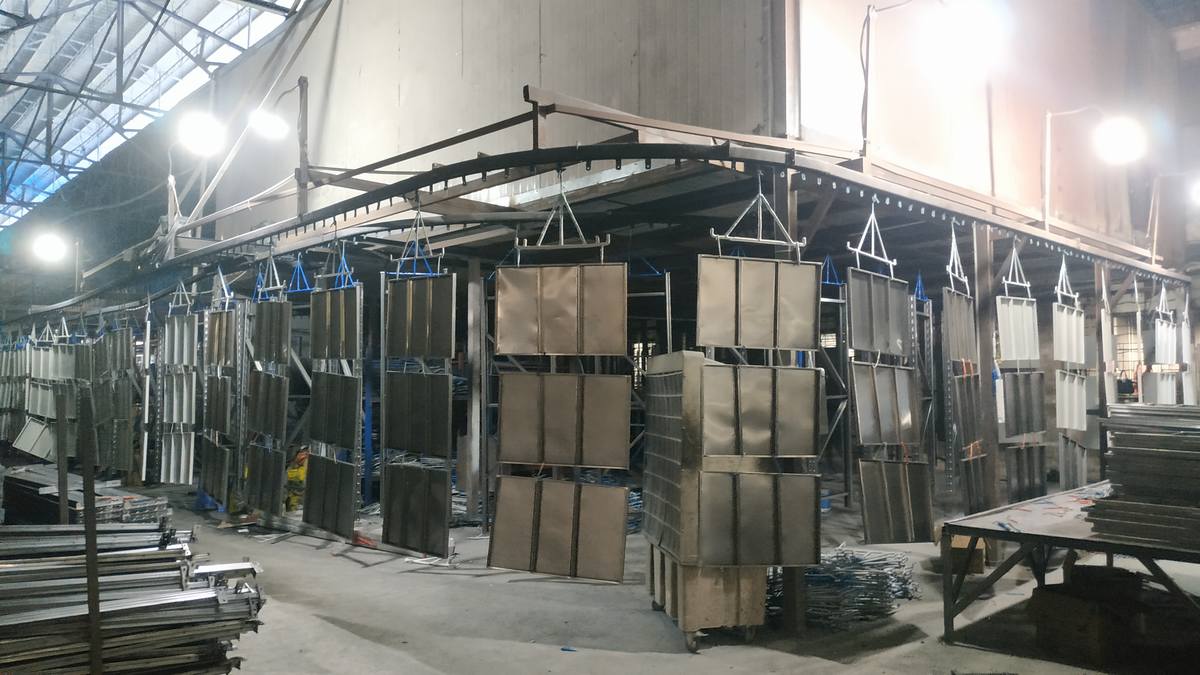
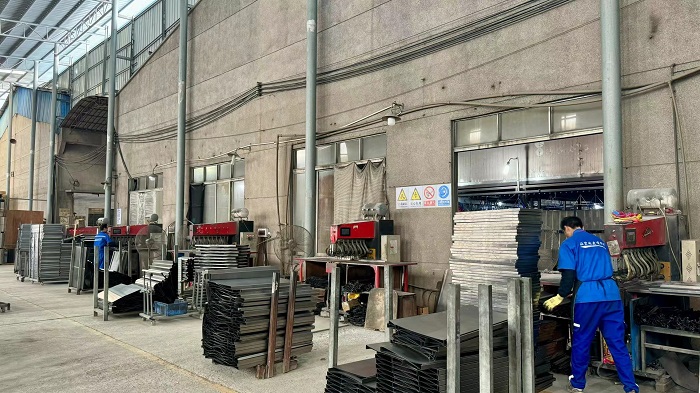
Established in 2016, Shenzhen Kimsuk Storage Equipment Manufacturing Co., Ltd. has grown into a major manufacturer and global supplier of high-quality warehouse storage equipment. With an expansive production facility spanning 18,500㎡, Kimsuk delivers customized storage systems for warehouses, factories, and logistics centers globally. Supported by an experienced engineering division, Kimsuk offers 14+ years of industrial rack manufacturing expertise and 8 years of international export experience, driving an annual export revenue of approximately $12 million.
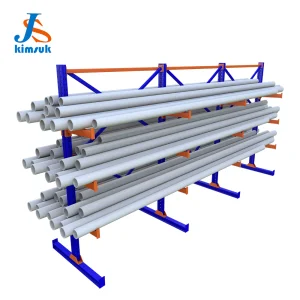
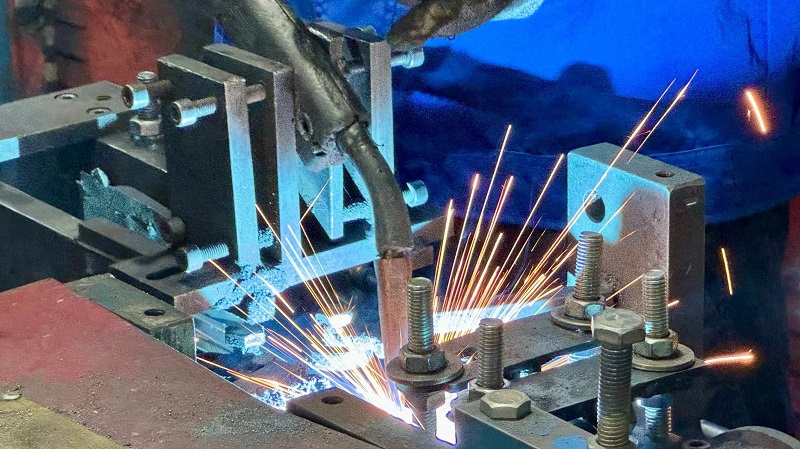
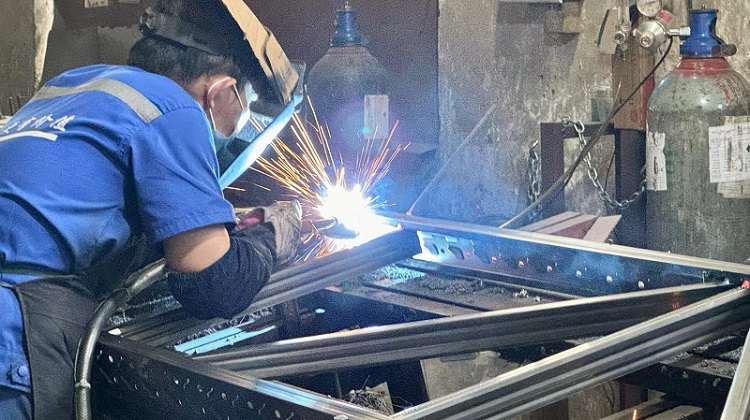
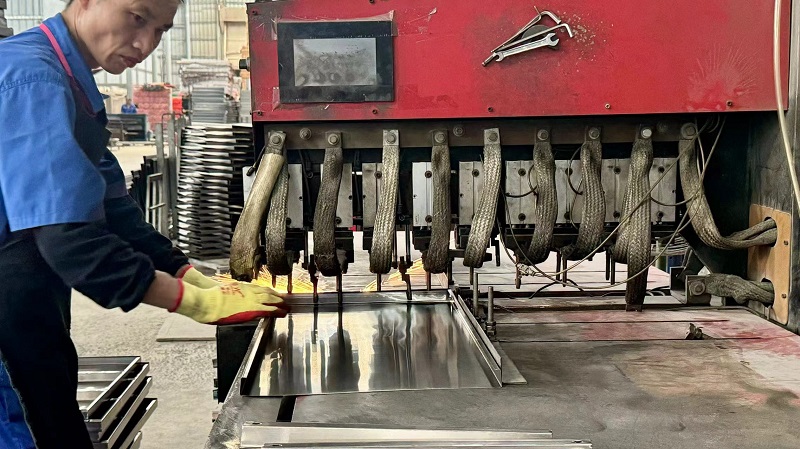
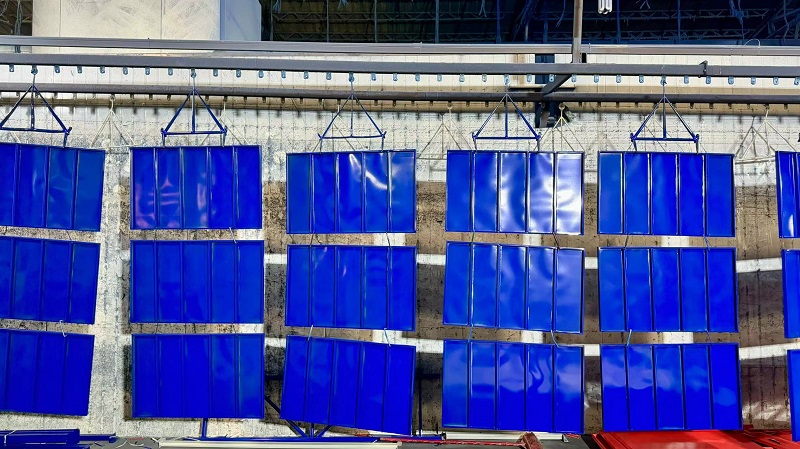
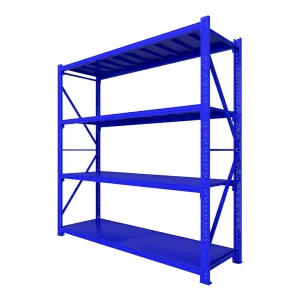
Our product engineering catalog comprises structural steel mezzanine floors, heavy-duty pallet racks, cantilever racking, slotted angle shelving, and fully customized storage assemblies. Quality assurance is integrated into every step of our manufacturing workflow. Our inspection processes include raw material verification, welding inspections, powder coat thickness mapping, load-bearing tests, and structural geometry checks. Using precision testing tools such as digital laser measuring instruments, coating gauges, and heavy-load testing machinery, our 45-inspector quality control team ensures compliance with regional safety codes in our key export markets: North America, Europe, Australia, the Middle East, and Southeast Asia.
Design Innovation Profile: In the past year, Kimsuk's R&D department—comprising 18 specialized design engineers—developed and rolled out more than 120 structural updates and new product designs, optimizing beam load profiles and modular connections to reduce installation times.
The mezzanine manufacturing sector is moving beyond simple steel platforms to integrate with advanced warehouse automation. Understanding these technical roadmaps is vital for long-term facility planning:
Modern mezzanines are engineered to support the dynamic load profiles of Autonomous Mobile Robots (AMRs) and Automated Guided Vehicles (AGVs). This requires specialized floor decking materials to ensure flat, high-traction travel paths.
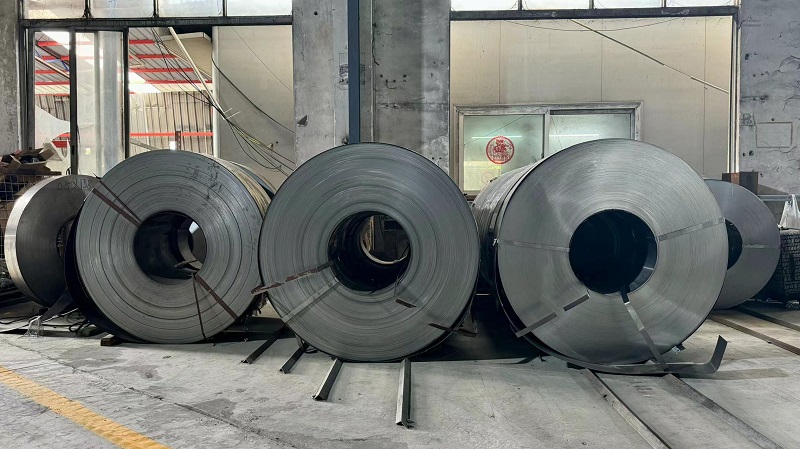
High-tensile steel alloys are replacing heavier standard steel sections. This transition reduces dead-load configurations while maintaining high live-load performance, cutting freight shipping costs and simplifying onsite installation.
Green building mandates (such as LEED certification) require manufacturers to adopt low-carbon steel processes, non-toxic powder finishes, and modular designs that can be disassembled and repurposed, minimizing environmental impact.
Selecting the correct mezzanine design depends on the facility's floor plan, operational workflows, and load requirements. The three main structural configurations include:
1. Structural Steel Mezzanines: Built using heavy-duty structural steel columns and I-beams, these systems offer maximum span distance and load capacity. They are ideal for manufacturing plants, heavy machinery platforms, and bulk storage.
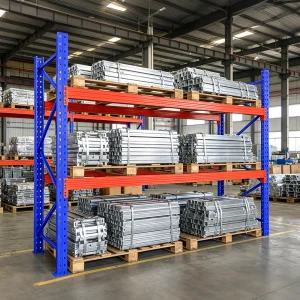
2. Rack-Supported Mezzanines: These systems utilize heavy-duty pallet racks as the primary structural support columns for the upper floor panels. This is a highly efficient design for parts distribution hubs, combining pallet storage with upper-level foot traffic zones.
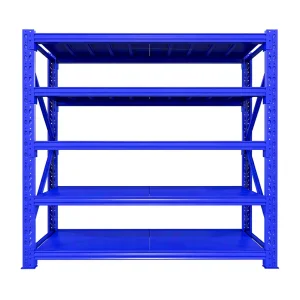
3. Shelf-Supported Mezzanines: Designed for smaller components, using medium-duty shelving as the foundation. This setup is common in automotive parts centers and e-commerce picking lines.
Technical and regulatory guidance for engineers and logistics managers planning mezzanine installations.
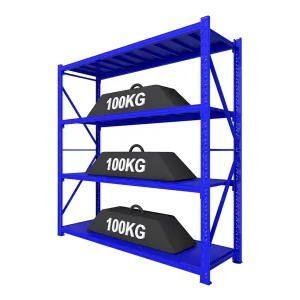
High-durability racking configurations and specialized logistics shelving units to complete your facility setup.



 Kimsuk Storage